The first time I heard the word “hunchback” was the day a boy teased me in front of my class. I remember that moment so clearly, as if it happened yesterday. He pointed at me and laughed, saying my back was not straight and that I walked funny. His words pierced deeper than I could explain. Until then, no one had ever said it so loudly or directly to me, but in that moment, I suddenly became aware that I was different from the other children.
I carried that moment with me for years. Even today, whenever I bend or become conscious of my posture, that memory flashes back into my mind. It was the first time I truly saw myself through someone else’s eyes, and it hurt.
Growing up, hospitals were a normal part of my life. I spent countless days moving in and out of clinics, sitting in waiting rooms, and going through tests I barely understood as a child. While hospital visits were exhausting, I learned to survive them by creating fun wherever I could. I turned long waiting hours into games, conversations, and moments of imagination. In many ways, hospitals became a second home to me.
Still, as I grew older, questions began to grow inside me too. “Why was I different?” “Why did my body not look like everyone else’s?” “Why did I feel like I had to work twice as hard to fit in?”
Whenever I asked, my mother would gently remind me that God had a reason for creating me the way I was. Her words comforted me, even when I didn’t fully understand them. I held onto hope that one day I would finally receive answers that made sense.
That answer eventually came. I was born with Turner syndrome, a rare genetic condition that caused congenital differences and symptoms such as a webbed neck, kyphosis, and other health complications. Finally hearing the diagnosis helped me understand that the things I struggled with were real. I was not imagining my pain, my differences, or my experiences.
As a child, when anything makes you different, you grow up constantly aware of it. You notice the stares, the whispers, the questions, and sometimes even the silence. You learn early that the world often treats “different” as something to point at instead of something to understand.
For a long time, I struggled with confidence and identity. I wanted so badly to blend in and be like everyone else.
But over time, I began to realize something important: my condition was only one part of my story. It did not define my worth, my dreams, or my ability to make an impact.
Instead of allowing shame to silence me, I slowly found purpose in speaking up. My lived experience taught me empathy, resilience, and courage. It taught me how to survive difficult days and still find joy in small things. Most importantly, it taught me that people living with rare diseases and disabilities deserve visibility, dignity, and understanding.
Today, I use my voice to advocate for rare disease awareness so that no child grows up feeling alone or ashamed of their body. I want young people living with conditions like Turner syndrome to know that being different does not make them less valuable. Our scars, our struggles, and our journeys are not weaknesses, they are evidence of strength.
Looking back now, I still remember the pain of that little girl standing in a classroom being laughed at. But I also see how far she has come. What once made me feel broken became the very thing that gave me purpose.
I may never forget the boy who called me a hunchback, but I no longer allow his words to define me. Instead, I define myself through courage, advocacy, and the belief that every person deserves to be seen beyond their condition.
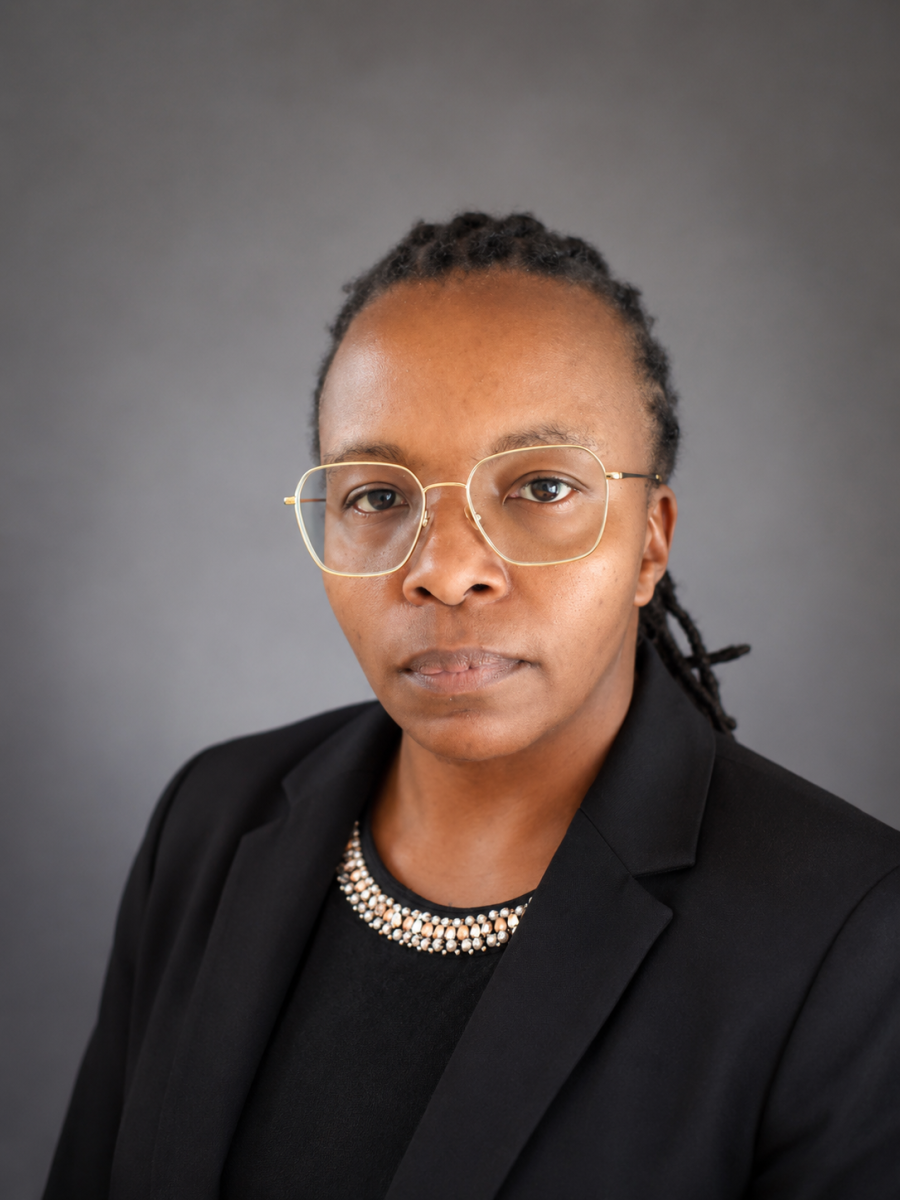
I am Jemima Kodero, a communications strategist and rare disease advocate, who believes that no one should become invisible because of a diagnosis. Having witnessed how rare diseases can lead to lifelong disabilities that are often misunderstood, overlooked, or excluded from mainstream disability conversations, I have made it my mission to transform silence into visibility and stigma into action. Through powerful storytelling, advocacy, and community mobilization across the globe, I champion the rights, dignity, and inclusion of people living with disabilities resulting from rare diseases, ensuring their voices shape the policies, services, and opportunities that affect their lives. I am driven by the conviction that disability is not a limitation but a unique perspective, and that every person deserves to be seen, heard, valued, and empowered to thrive.
Written by Jemima Kodero
“Looking back now, I still remember the pain of that little girl standing in a classroom being laughed at. But I also see how far she has come. What once made me feel broken became the very thing that gave me purpose.”